Evidence · Report · Presentation
Academic Research
Investigate a question. Evaluate evidence. Present a conclusion.
Finishes with: Research brief + findings deck + oral defense.
Live AI ReadinessAges 13–18$99 Founding Cohort
Live AI Readiness for ages 13–18. Research, create, present, and learn how to use AI with judgment.
Starts Jan 11, 2027 · 12 live classes (Mon & Fri, 4:30 p.m. PT) · Small-group practice · Portfolio + TechStart Certificate of Completion
 Led by Elias Benjelloun + teaching team
Shared Capabilities Across Every Track
Not just "use AI." Learn how to turn AI into better research, useful work, and clear communication.
Scroll or select any skill to explore an illustrative student project.
Build a research brief you can explain and defend.
Focused Research Question
“How could a community learning group make study materials more affordable?”
Conclusion: Combining free peer-reviewed open textbooks (where courses allow) with an edition-verified local book exchange can substantially lower family study-material costs compared with buying new retail copies each term.
“U.S. consumer prices for educational books and supplies rose 9.4% over the 12 months ending May 2025, outpacing 2.4% overall inflation in that period.”
Source: The Economics Daily: Consumer prices for back-to-school spending
U.S. Bureau of Labor Statistics (CPI-U) · August 18, 2025
Student action & judgment: Students compare sources, check whether evidence supports a claim, and explain their conclusion in their own words.
Added to portfolioFor Homeschool & Academic Work
Research assignments, source evaluation, structured slides, class presentations, and a completed portfolio parents can review alongside their teen's studies.
For Afterschool & Future Work
Clear briefs, spreadsheets, simple budgets, digital prototypes, collaborative feedback, and responsible AI judgment that transfers as tools evolve.
Choose a Track · See the Finished Project
Every student practices research, AI judgment, digital creation, presentations, and speaking. Their chosen track shapes the project.
Investigate a question. Evaluate evidence. Present a conclusion.
Finishes with: Research brief + findings deck + oral defense.
Find a problem. Build a prototype. Pitch the idea.
Finishes with: Clickable prototype + simple budget + pitch.
Understand a need. Build a plan. Bring people together.
Finishes with: Community plan + outreach materials + presentation.
Previewing · Academic Research
Research a question, compare evidence, and communicate a conclusion your student can explain in their own words.
What your teen finishes with
Question: How can students reduce textbook costs without losing course quality?
Peer-reviewed open textbooks (OpenStax) paired with library reserve copies save ~$75–$83 per course while preserving resale and sibling reuse.
Supported by: U.S. BLS CPI textbook index + OpenStax institutional report.
600–900 word brief + chart
4–6 credible sources compared with explicit uncertainty notes.
6-slide findings talk
Presented aloud to facilitated group with Q&A defense.
Shared portfolio checklist: Research & source notes · Finished project · Slides · Presentation & feedback · Reflection
Portfolio Convergence & Recognition
Students who complete the program receive a TechStart Certificate of Completion alongside their project portfolio and parent completion summary.

Certificate of Completion
TechStart AI Readiness Program
Awarded to
[Student Name]
Project Track: [Selected Track] · [Completion Date]
Research • Digital Creation • Presentations • Responsible AI Use
Elias Benjelloun
Lead Instructor, TechStart
The portfolio demonstrates the student's work. The certificate recognizes completion of the TechStart program. It does not award high-school or college credit.
Live Guidance & Small-Group Practice
Your teen learns with Elias and the TechStart teaching team, brings work into guided practice, and gets feedback on what to improve next.
Two 60-minute required classes each teaching week. Learn a skill, see it demonstrated, apply it.
About 8–10 students per facilitated group. Bring a draft, a question, a problem, or a presentation.
Wednesday and Saturday group office hours. Get help with research, slides, project progress, digital tools, and explanation.
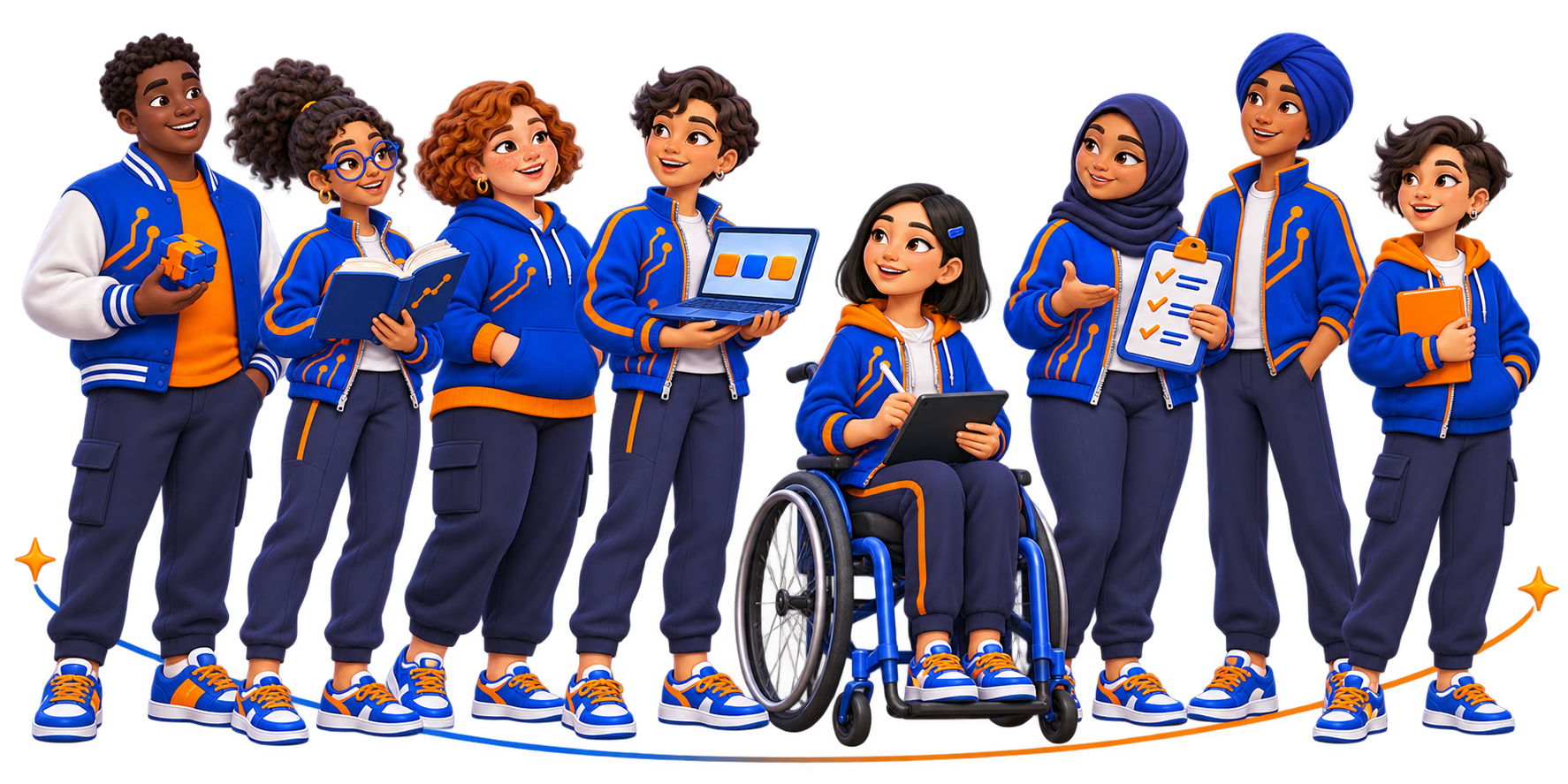
Inside Guided Practice & Support Calls
Shared lessons may include up to 100 students. Guided practice happens in smaller facilitated groups of about 8–10. Office hours are group support — not private one-to-one coaching.
What can students bring to a support call?
Meet Your Lead Instructor
Founder of TechStart · Leads with the teaching team
Elias Benjelloun is an AI educator and TechStart founder who teaches learners to turn ideas into practical projects. His software-building education work was featured by OpenAI Academy. He leads this program with the TechStart teaching team.
TechStart — Top Tech Educator of the Year · Tech Alley Las Vegas · 2025
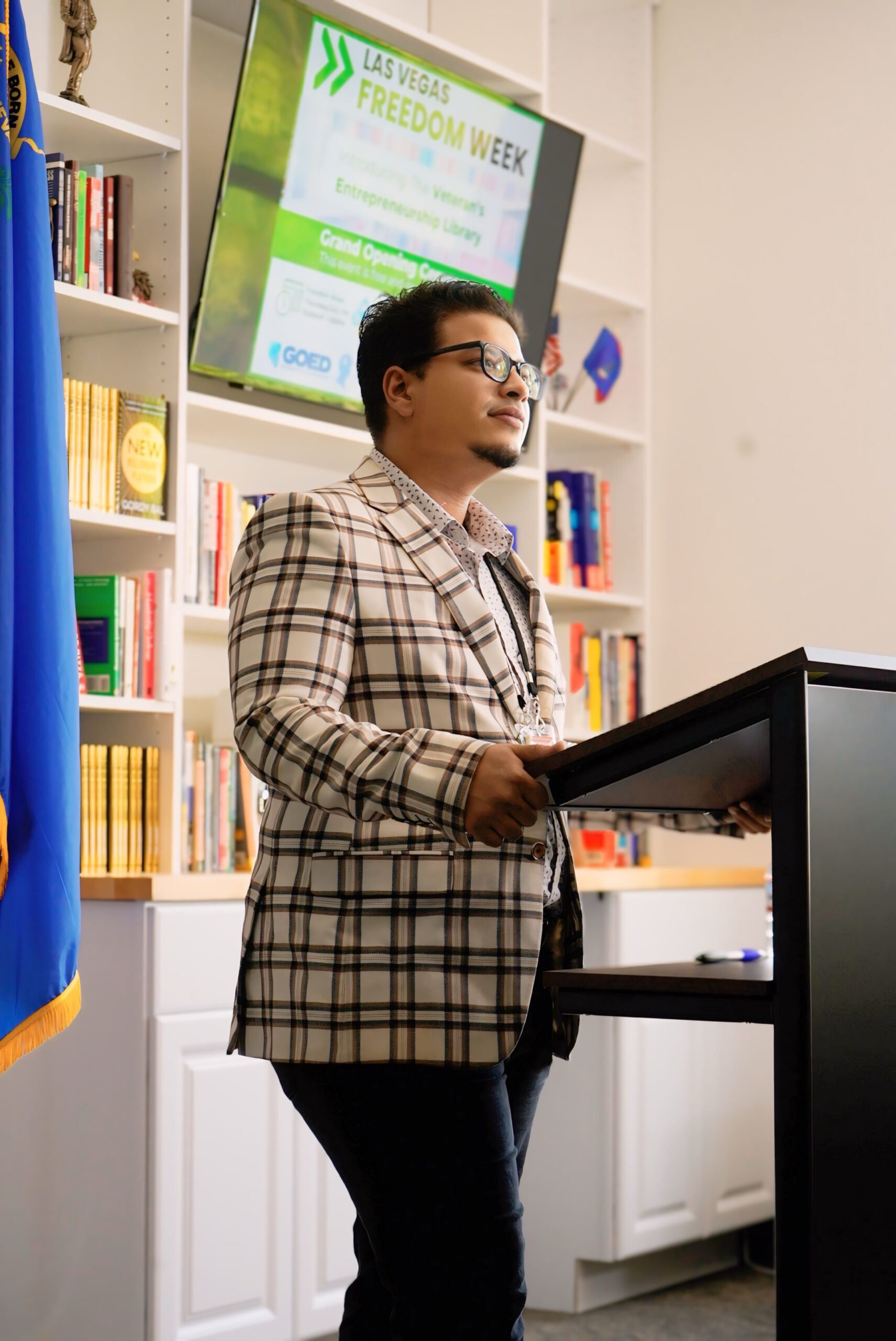
See Elias teach · Teaching Sample
Watch on YouTubeWatch Elias demonstrate how research can become useful learning materials. Students practice these research, source-checking, and slide skills through guided projects.
Six-Week Roadmap
A guided process helps students move from idea to finished work one milestone at a time — practicing shared digital skills while developing their chosen track project.
Define the question, audience, and project goal.
Research, compare sources, and organize evidence.
Create the first substantial draft and supporting documents or visuals.
Develop the selected report, prototype, or community-project materials.
Check claims, receive feedback, revise, and prepare slides.
Rehearse, present aloud, answer questions, and assemble the portfolio.
Program Details & Enrollment
Six weeks of live learning, guided practice, and a project your teen can explain with confidence.
Founding AI Readiness cohort
One student. One project track. Six weeks of live learning.
12 live classes · 6 teaching weeks (Feb 15–21 break) ·
Led by Elias Benjelloun
TechStart — Top Tech Educator of the Year (Tech Alley Las Vegas · 2025)
Review your student’s details, then receive your $99 payment link. Your seat is confirmed after payment.
One-time purchase · No subscription
Included in the $99 founding seat
Your teen’s instructor
TechStart founder & AI educator
Youth technology education experience dating to 2016.
Elias combines hands-on teaching experience with continued professional learning through OpenAI, Google, and Meta. He leads this program with the TechStart teaching team, helping teens research carefully, create useful work, and explain their decisions.
OpenAI Academy learning badges
OpenAI · OpenAI AcademyRecognized for technology education
TechStart — Top Tech Educator of the Year
Tech Alley Las Vegas · 2025
Feedback from previous TechStart training and professional work.
“He is very approachable, patient, and knowledgeable.”
Siloh Moses
TechStart client, CRM guidance
“Their team showed me how to use AI to generate a website for my photo business in minutes.”
Jennifer Cruse
TechStart client, AI website guidance
Planned break & holiday adjustment: No classes or support calls February 15–21, and Week 2 shifts for MLK Day (Jan 18 class moves to Wed Jan 20).
Parent Q&A
$99 founding cohort
Ages 13–18 · Live starts Jan 11